

By Connor Boike, Founder and CEO of Nidrogen Group
Most wrestlers pick their shoes the wrong way.
They browse a website, find something that looks good, check the price, and order. Two weeks later they are on the mat wondering why their shots feel slow, their heel keeps lifting, or their feet are aching by the end of practice.
Choosing wrestling shoes is not the same as choosing any other athletic footwear. The decisions you make before you buy directly affect how you move, how you feel, and how you perform every single time you step on the mat.
I have spent years building wrestling footwear and working with athletes at every level. Here is exactly how to choose wrestling shoes correctly.
Start With Your Level of Experience
The right shoe for a first-year wrestler is not the right shoe for a three-year varsity athlete.
Beginners need a shoe that prioritises comfort, fit, and basic mat feel. You are still developing your movement patterns and your feet need time to adjust to wrestling-specific motion. An overly rigid or technically complex shoe does not help that process.
Intermediate and advanced wrestlers need a shoe engineered for specific performance demands. At that level you know how you move, what your feet need, and where your technique places stress. You can make more informed decisions about sole stiffness, ankle height, and traction pattern because you understand what those things actually mean on the mat.
Understand the Sole
The sole is the most important part of a wrestling shoe. Everything else follows from it.
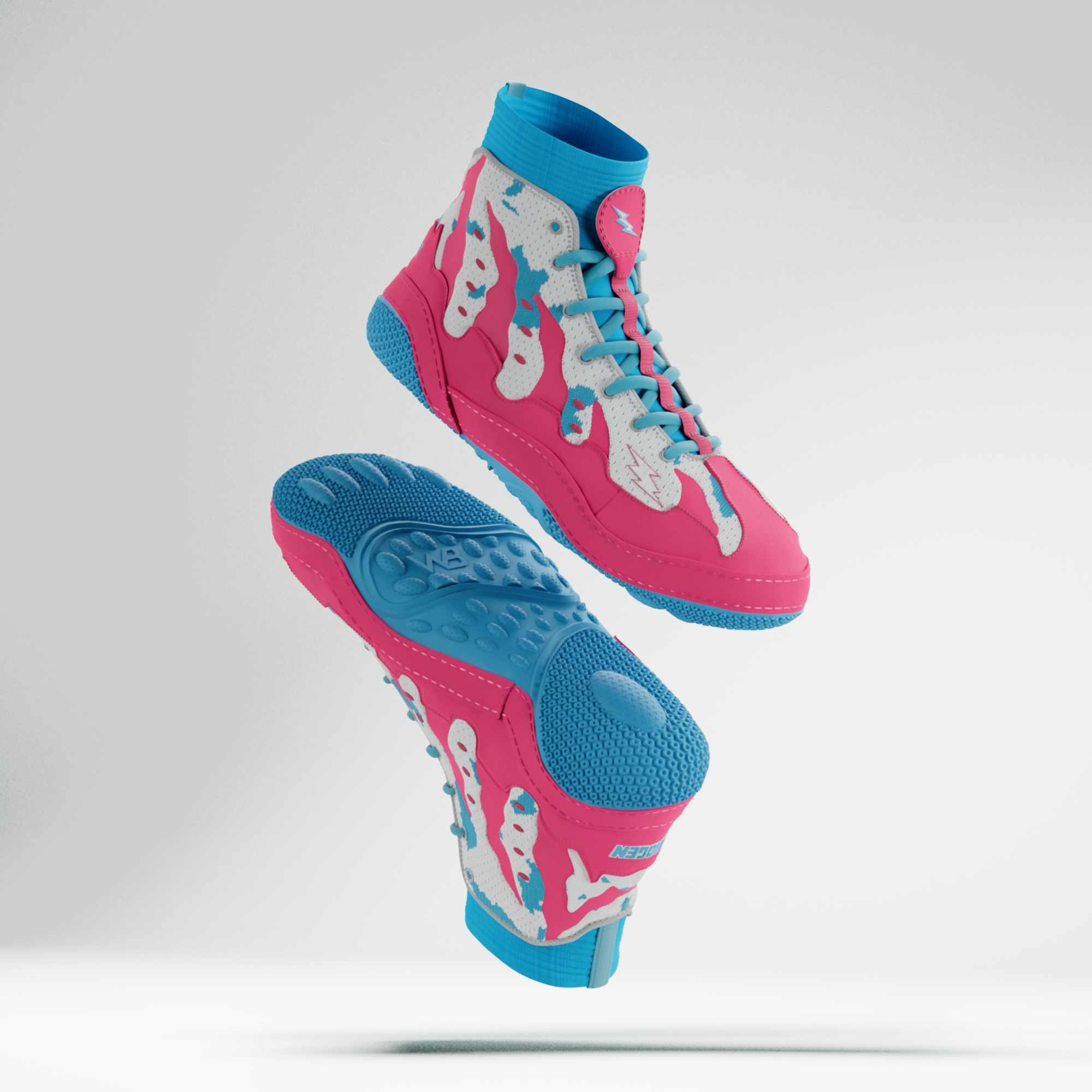
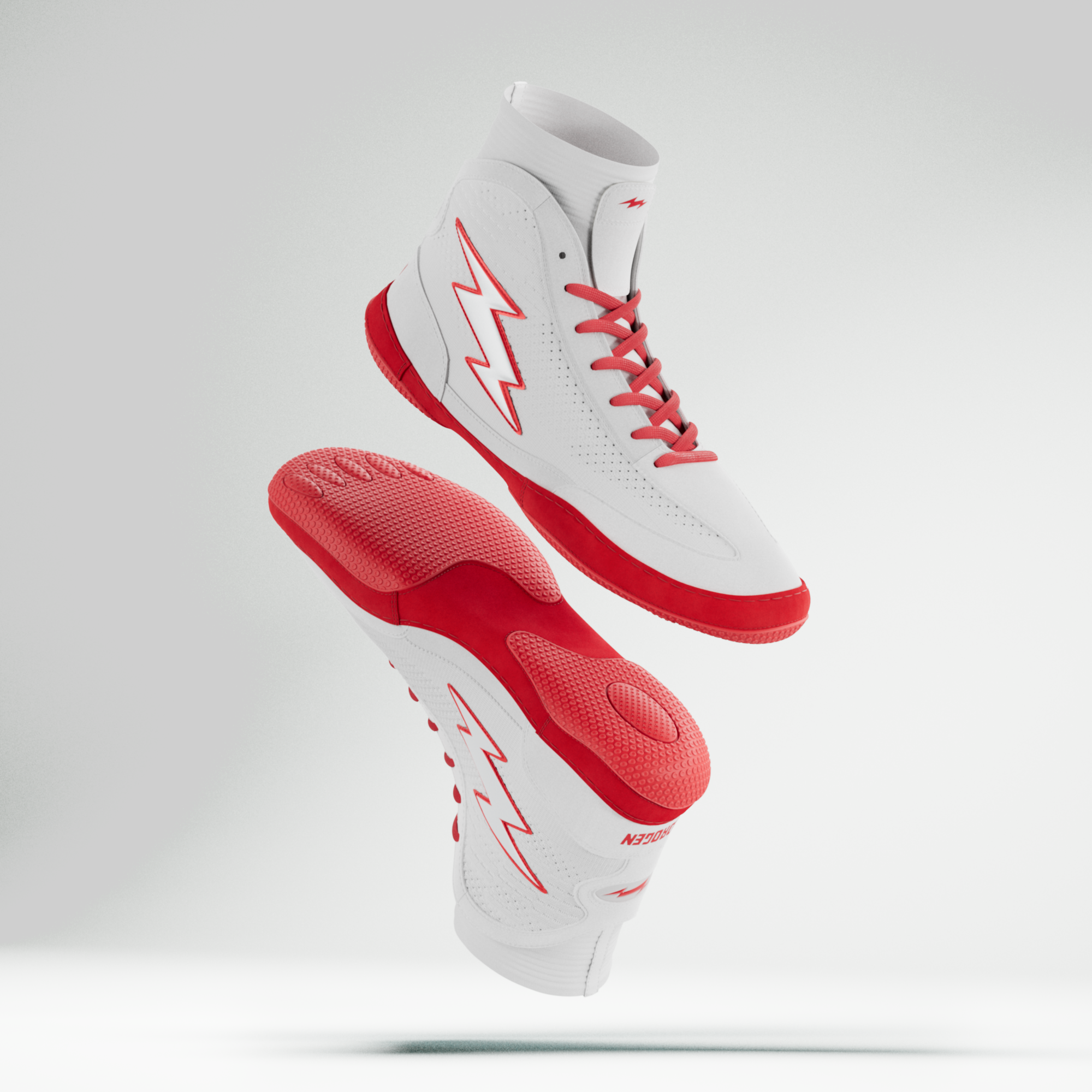
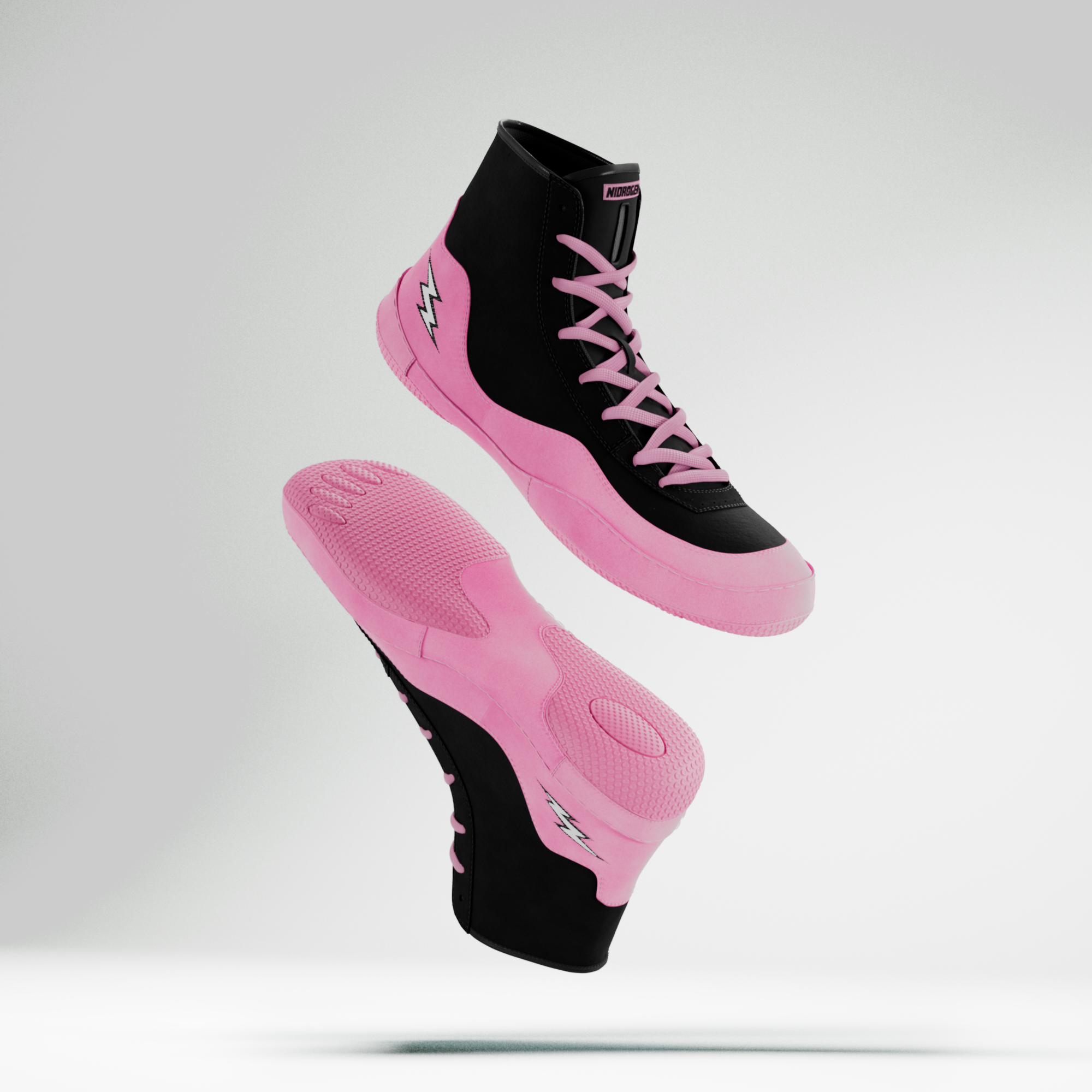
A flat, low-profile sole keeps you close to the mat. That proximity is not about comfort, it is about feel. The closer your foot is to the mat surface, the more information your body receives about balance, weight distribution, and contact. That information feeds directly into your reaction time and movement decisions.
A thick or cushioned sole raises your centre of gravity, reduces mat feel, and creates instability during direction changes. It might feel comfortable standing still. On the mat during a scramble, it works against you.
Always choose a wrestling shoe with a flat sole specifically designed for mat surfaces. This is not negotiable at any level.
Know the Difference Between High Top and Low Top
This is one of the most common questions wrestlers ask and the answer depends on what you prioritise.
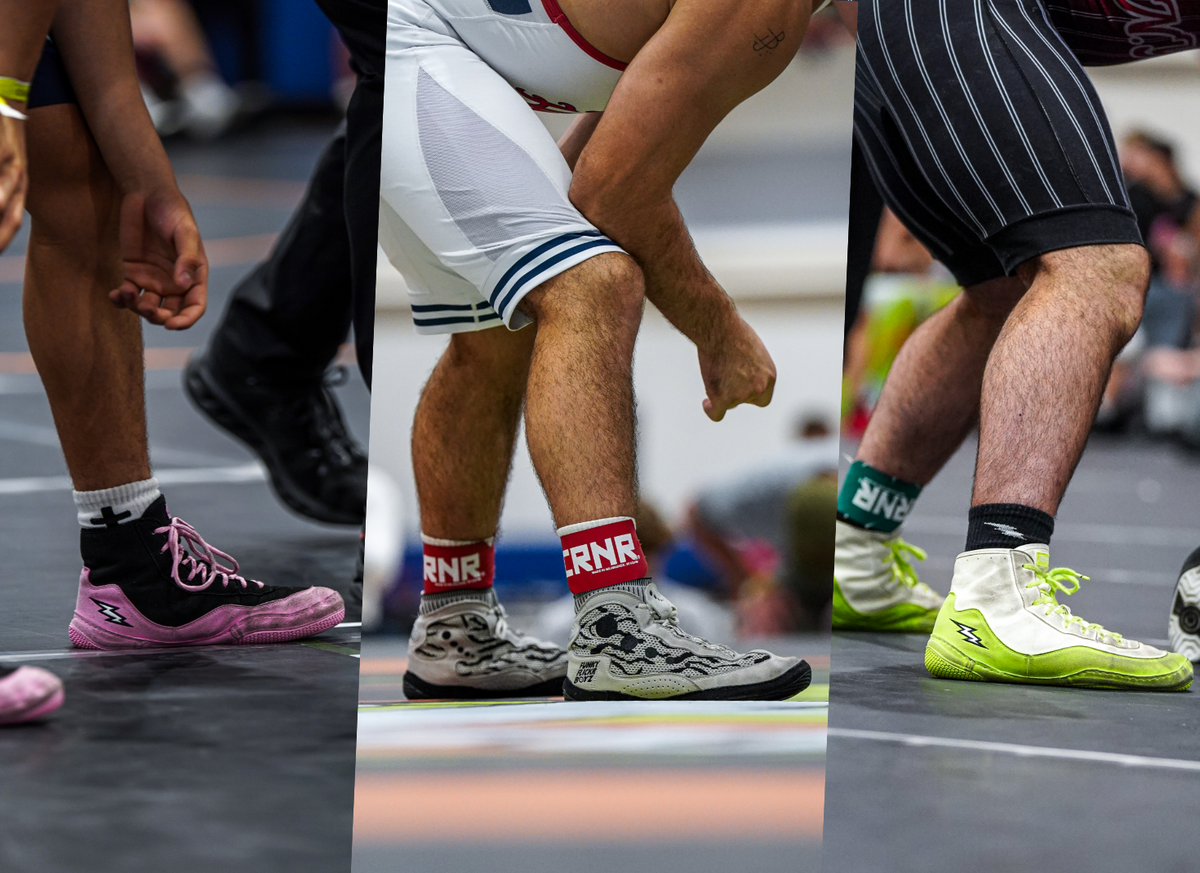
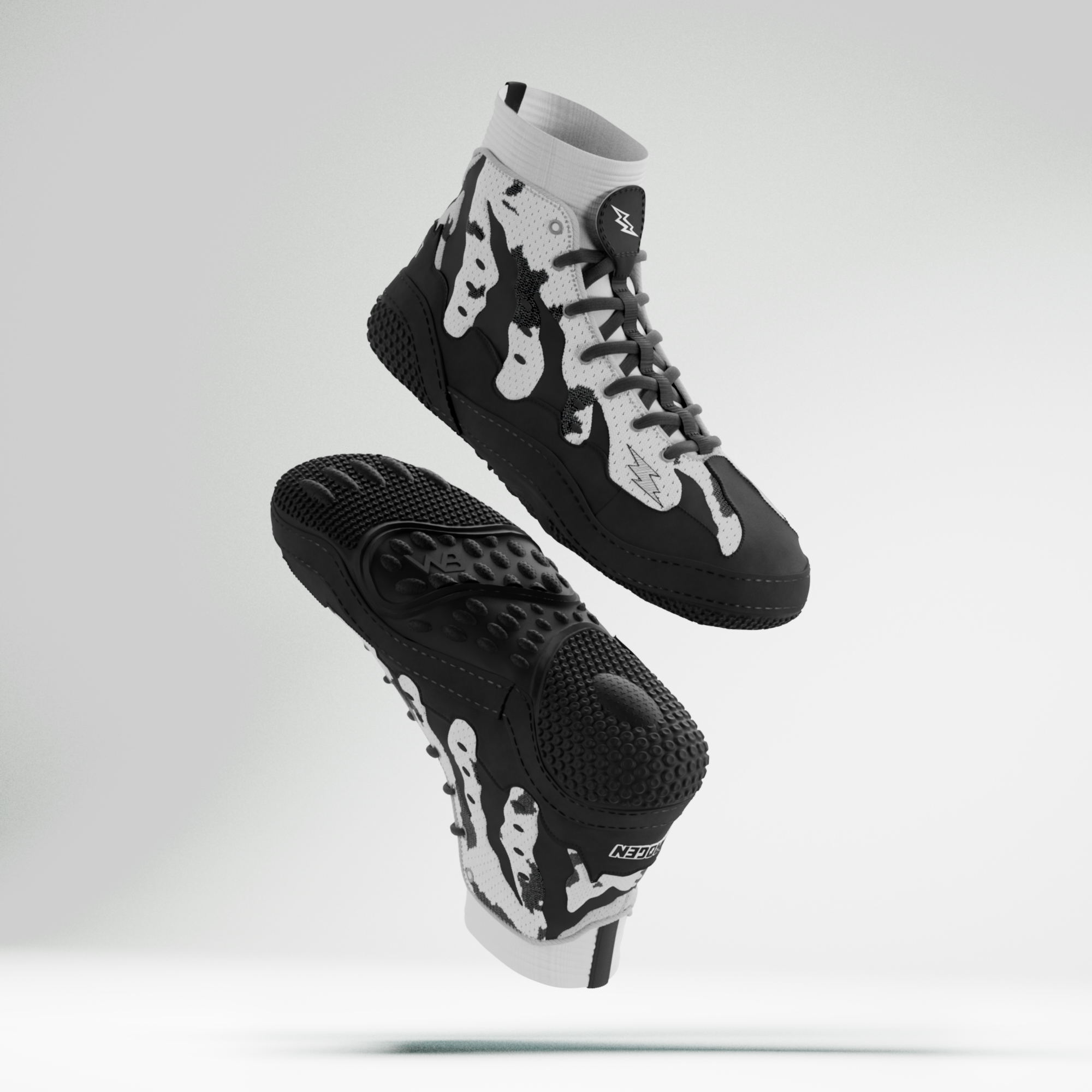
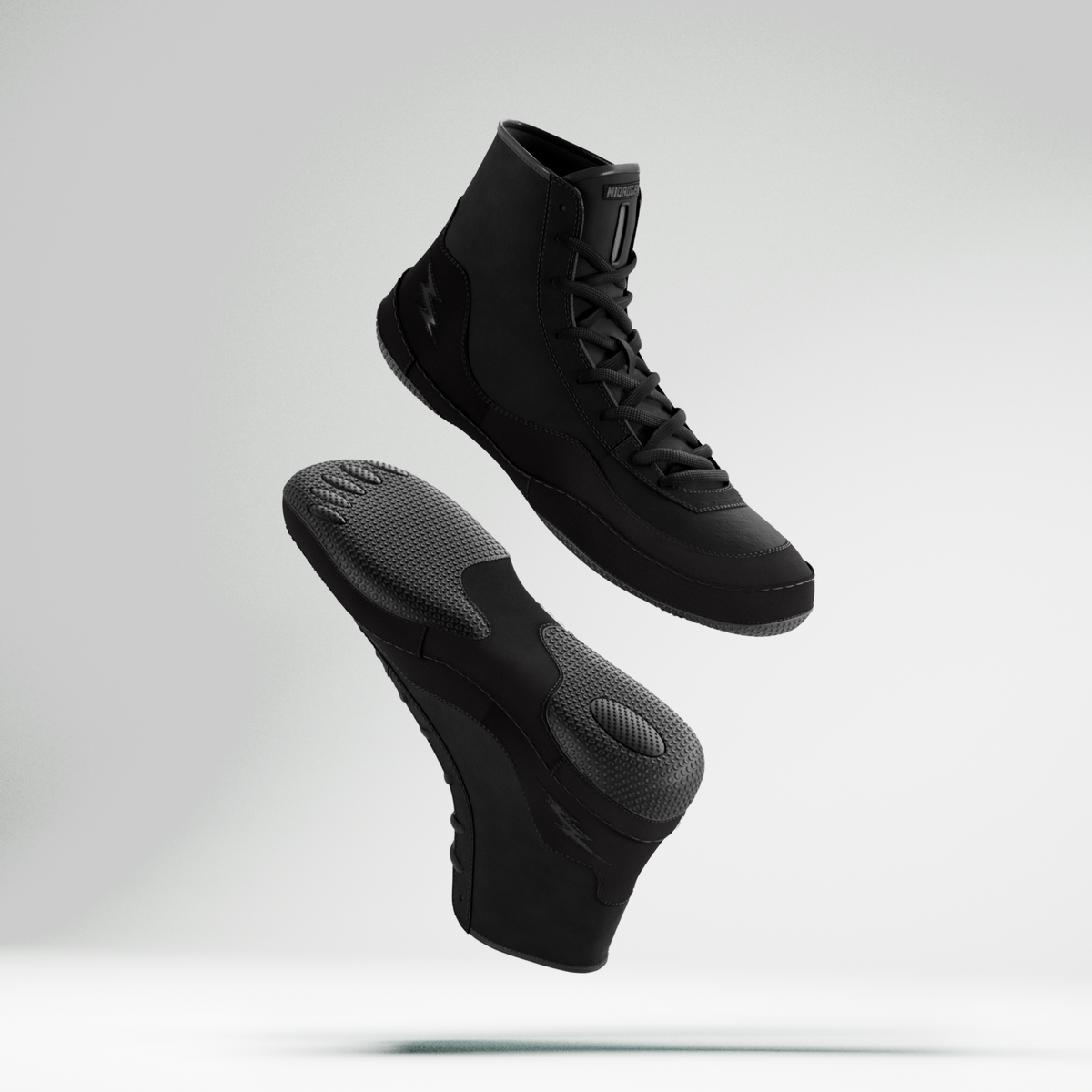
High top wrestling shoes wrap around the ankle and provide more lateral support. They are a better choice for wrestlers with a history of ankle issues, younger athletes still developing proprioception, or anyone who wrestles in heavy tie-up and collar tie positions that place stress on the ankle from the side.
Low top wrestling shoes allow more freedom of movement around the ankle. They are lighter, allow a more natural ankle flex, and are often preferred by wrestlers who rely on explosive, fast-paced movement. Many experienced wrestlers prefer low tops because the reduced restriction matches how they naturally move.
Neither is universally better. The right choice is the one that matches how your body works and what your wrestling demands.
Fit Is Non-Negotiable
A wrestling shoe that does not fit correctly will hurt your performance regardless of how technically advanced it is.
The heel must be locked in. There should be no movement when you lift your heel with the laces tightened. Even a small amount of heel slip creates instability that compounds with every movement.
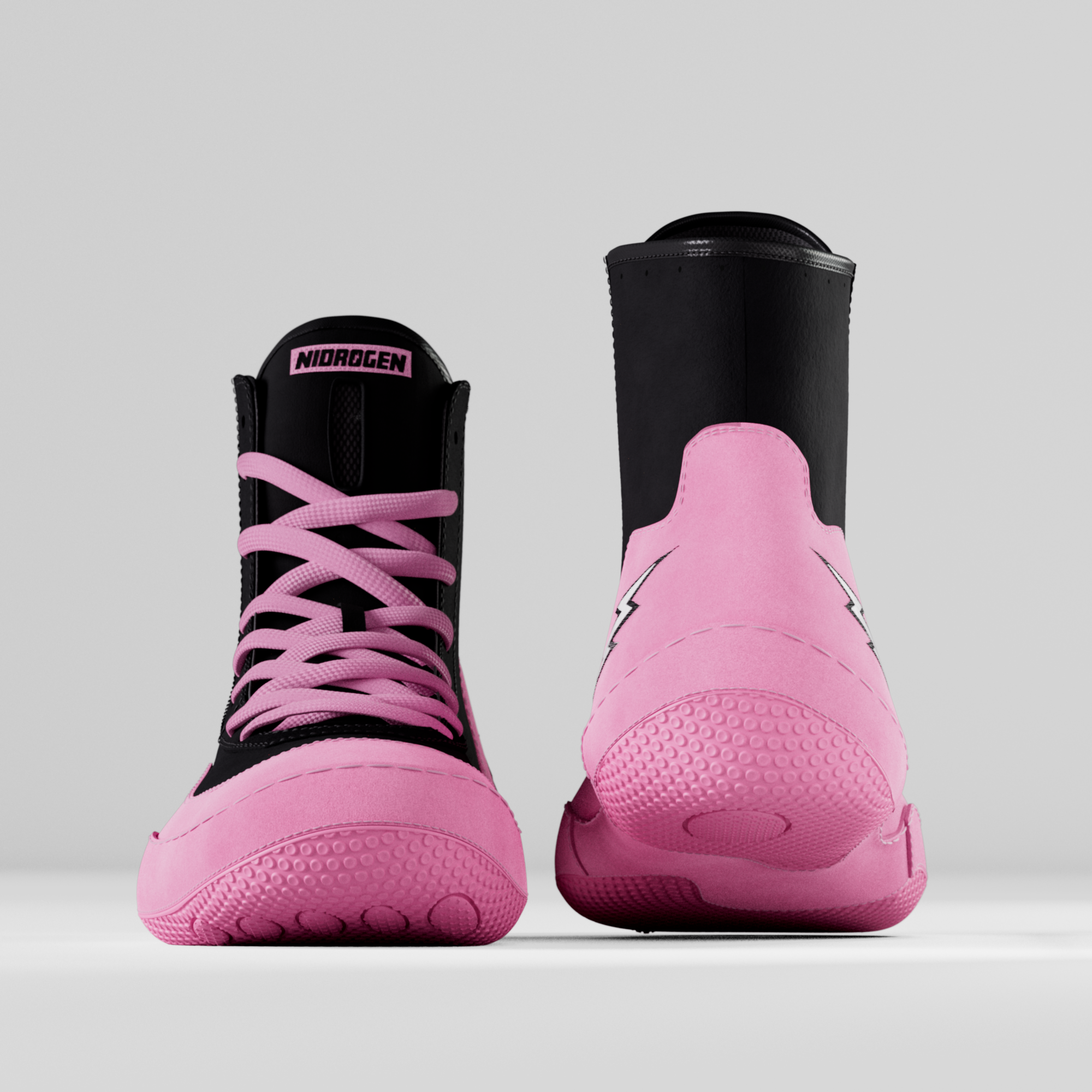
The toe box should have no excess room. Unlike running shoes where toe space is intentional, extra room in a wrestling shoe allows the foot to slide forward during shots and scrambles. That movement disrupts your balance at the exact moment you need it most.
The midfoot should feel held without feeling compressed. You should not need to over-tighten the laces to feel secure. If you do, the shoe is too wide or too large.
Try them on, lace them fully, and do five lateral shuffles and a shot. The shoe should feel like part of your foot, not something on top of it.
Consider the Weight
Every gram of unnecessary weight in a wrestling shoe costs you energy over the course of a practice or match.
Heavier shoes slow your footwork in small but compounding ways. They demand more energy from your legs with every step, every sprawl, every direction change. Over a two hour practice that accumulates.
Lighter shoes allow faster movement and conserve energy for the parts of wrestling that matter. When you are choosing between two shoes that fit equally well and offer similar traction, choose the lighter one.
Traction Matters More Than It Looks
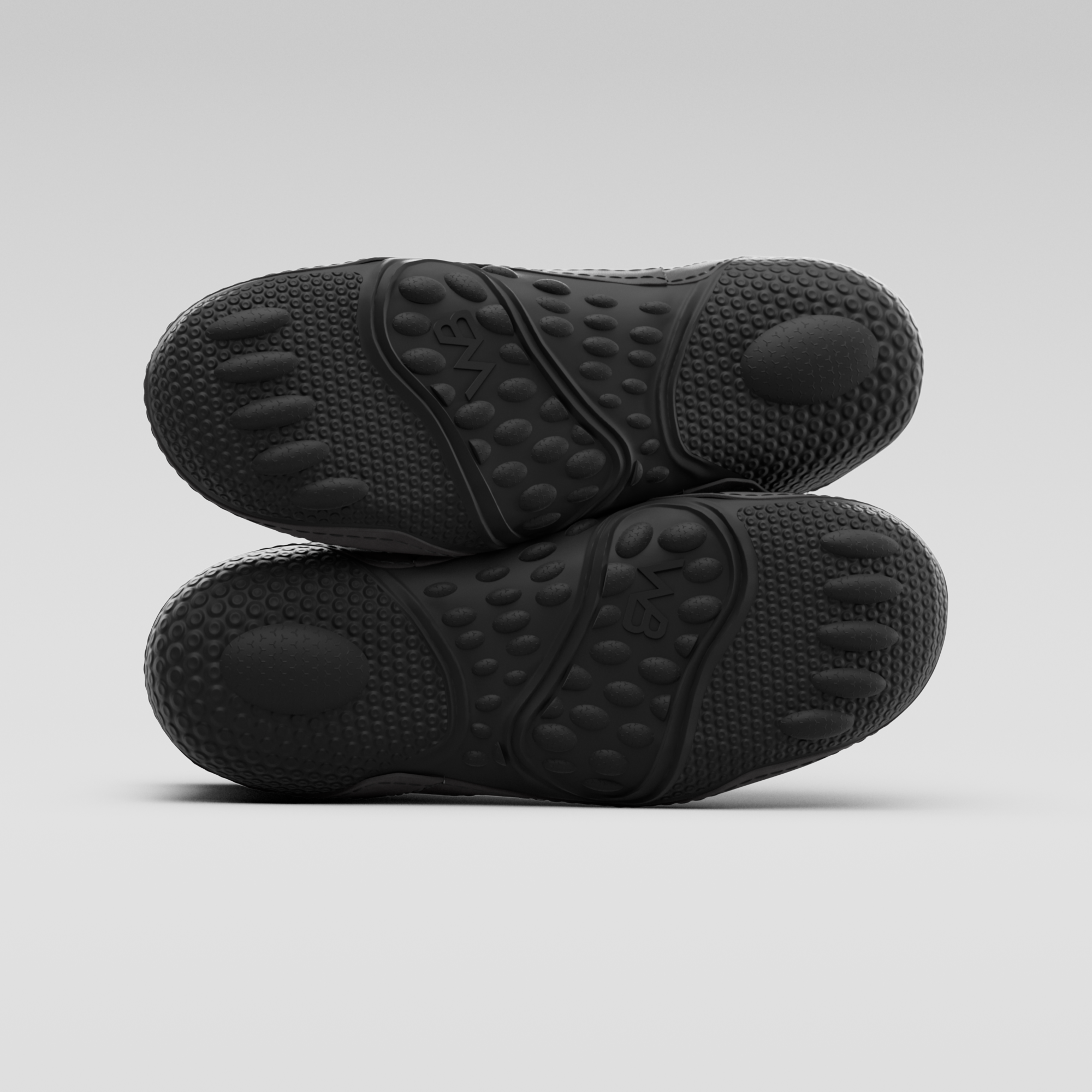
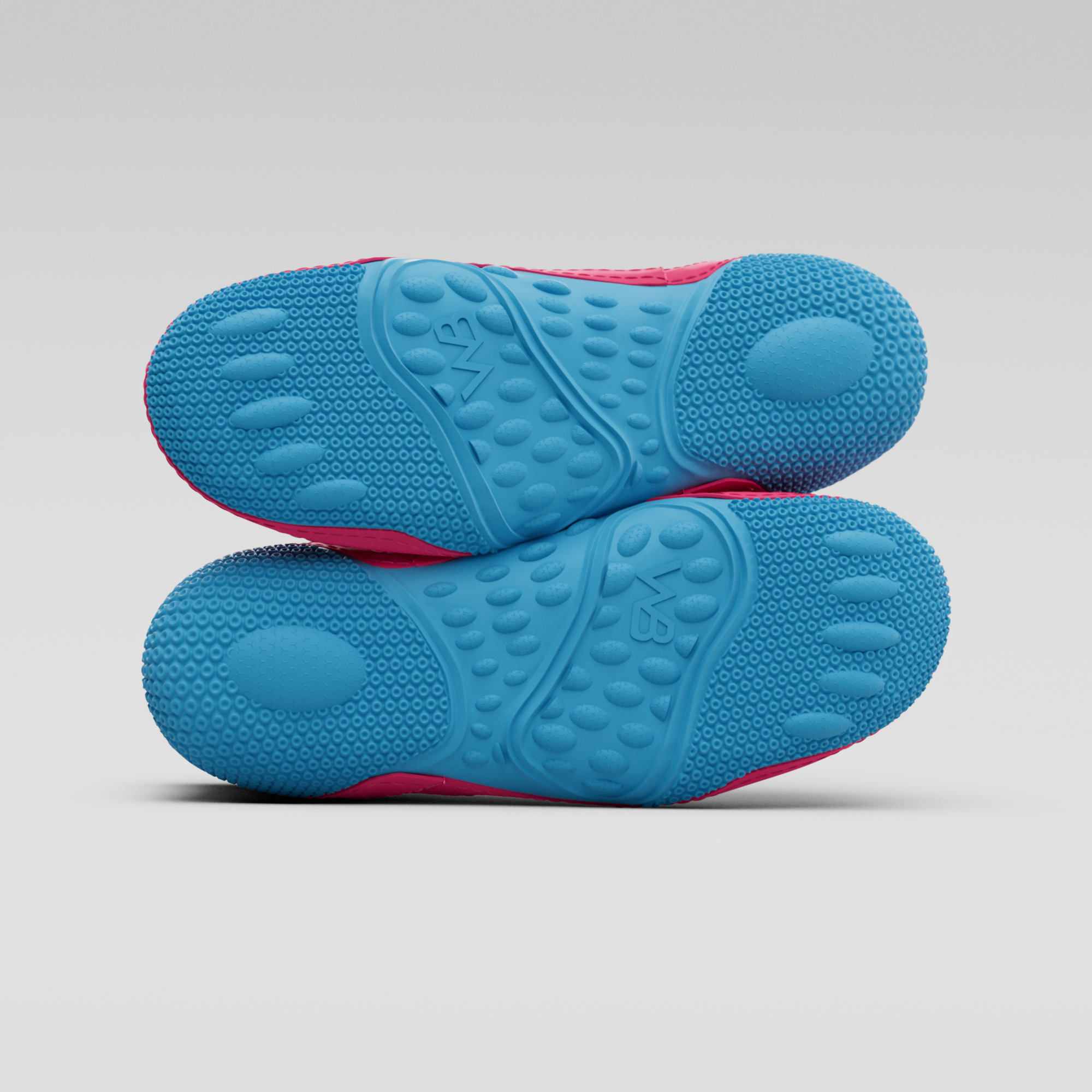
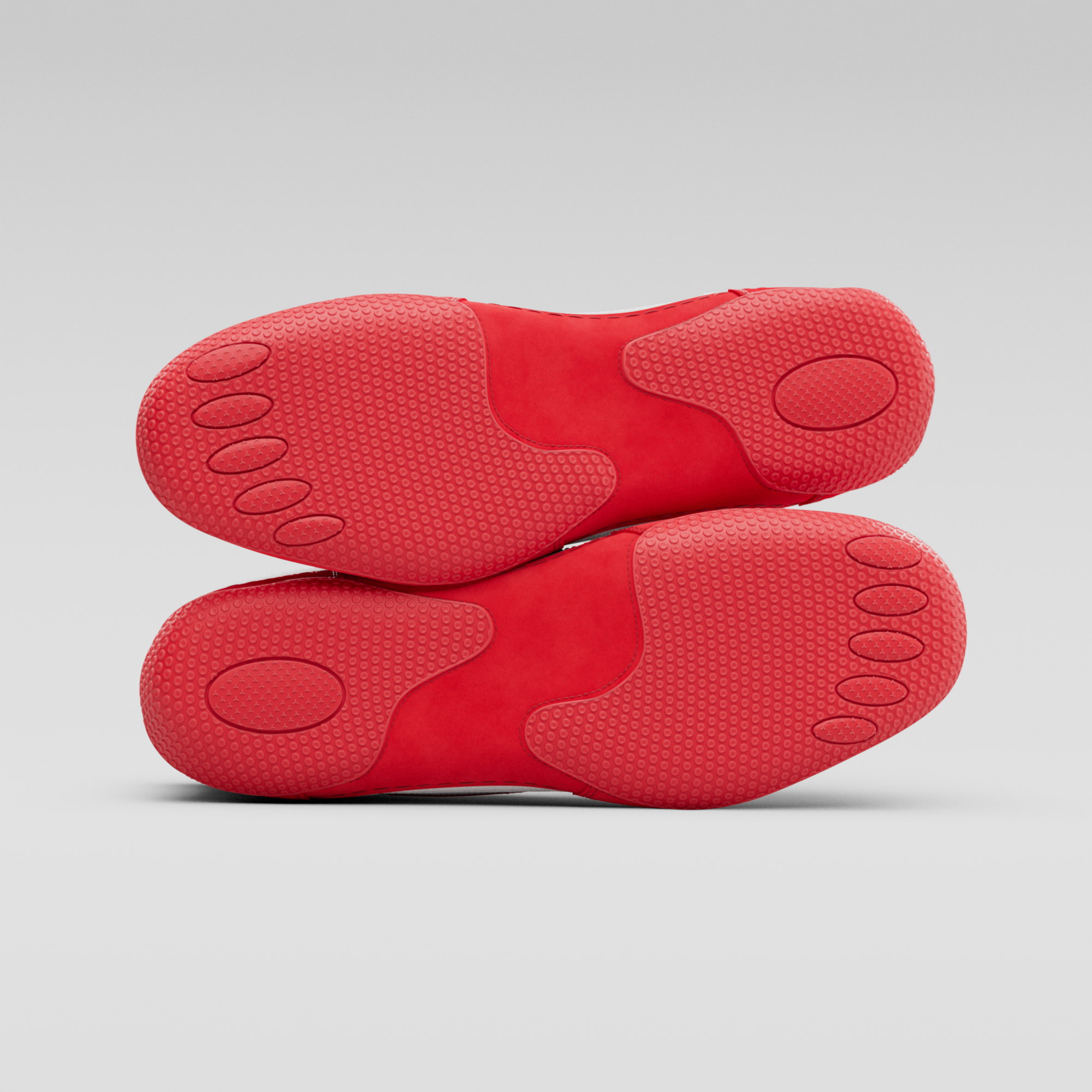
The grip pattern on the outsole determines how well you can cut, pivot, sprawl, and drive on the mat.
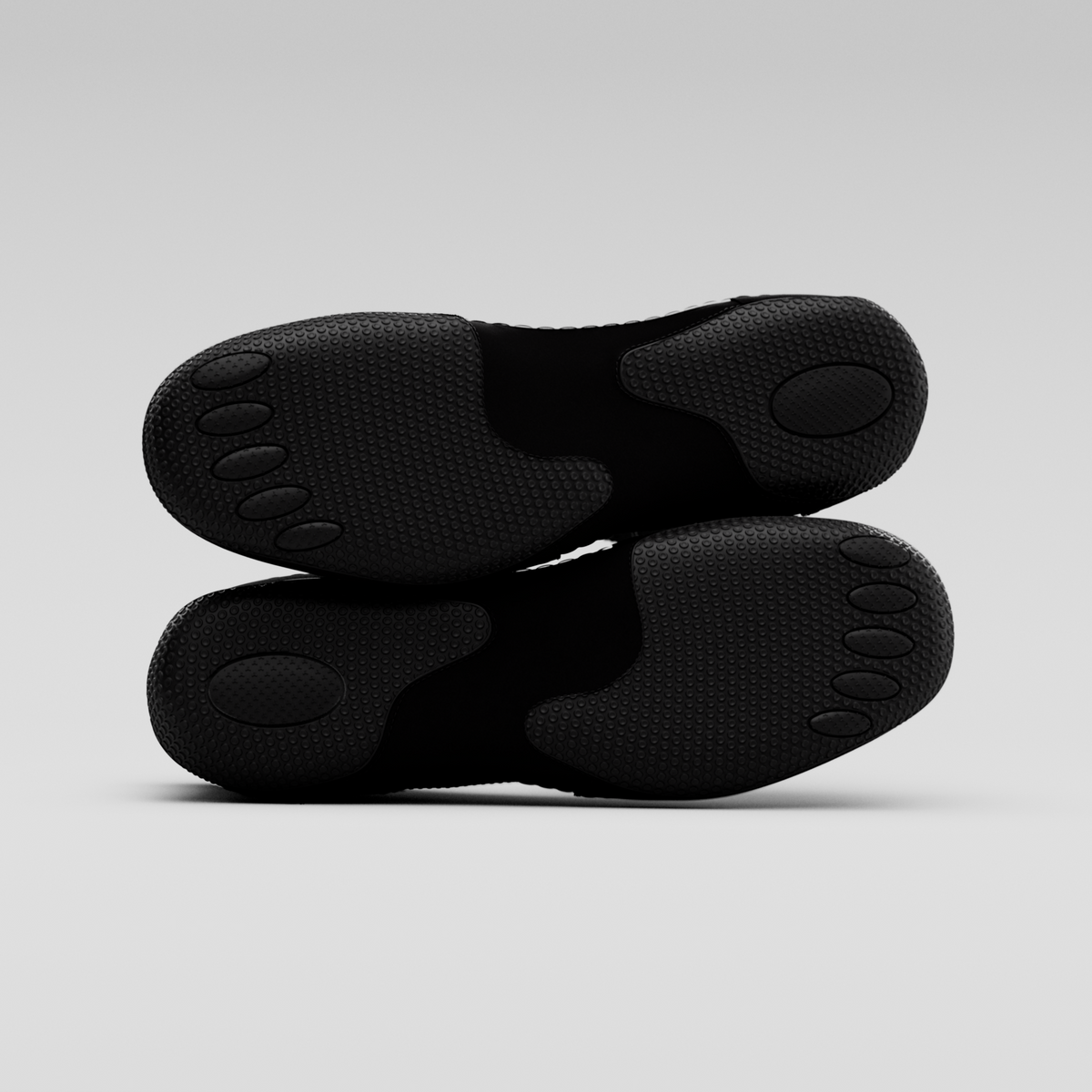
Traction designed for multidirectional movement, grip that bites from every angle rather than just forward, is essential for wrestling. You are not running in a straight line. You are changing direction constantly, often under significant external pressure from your opponent.
Look for shoes with outsole patterns specifically engineered for mat surfaces. General athletic grip does not perform the same way. The difference is noticeable from the first practice.
Think About Breathability
This is one most wrestlers do not consider until it is too late.
Foot temperature affects performance in ways that are easy to underestimate. Hot, sweaty feet fatigue faster. Shoes that trap heat cause the foot to swell, which changes the fit over the course of a practice. Shoes that breathe manage temperature and moisture actively, keeping the foot cooler and maintaining a more consistent fit from the first minute to the last.
Mesh and knit uppers breathe significantly better than solid synthetic materials. If you train hard and for long sessions, breathability should be on your checklist.
Do Not Buy on Price Alone
Cheap shoes cost more in the long run.
A shoe that does not fit correctly, loses its grip after six weeks, or breaks down structurally before the season ends is not a budget option, it is an expensive mistake. A well-built pair of wrestling shoes that fits correctly and lasts a full season is always the better investment regardless of the upfront cost.
That does not mean you need to spend the maximum available. It means you should buy the best shoe you can afford that ticks the non-negotiable boxes, correct fit, flat sole, appropriate ankle height, and multidirectional traction.
Final Thoughts From Me
Choosing wrestling shoes correctly is not complicated once you understand what actually matters.
Start with fit. Confirm the sole is flat and designed for the mat. Choose the ankle height that matches your body and your style. Pick the lightest shoe that meets your requirements. Make sure the traction is built for multidirectional movement.
Do all of that and you will step on the mat in footwear that works with you instead of against you. The difference is immediate and it compounds over an entire season.