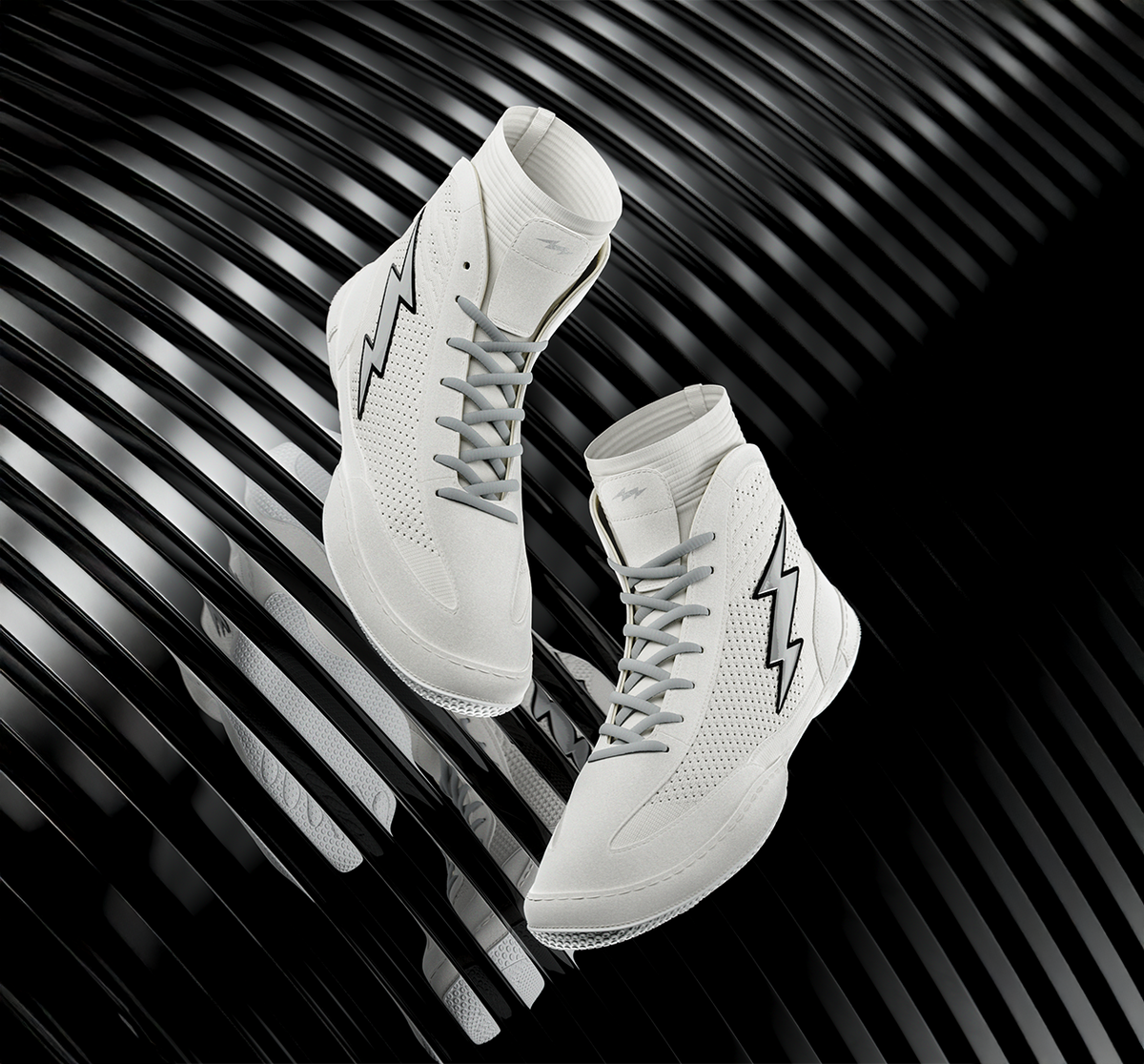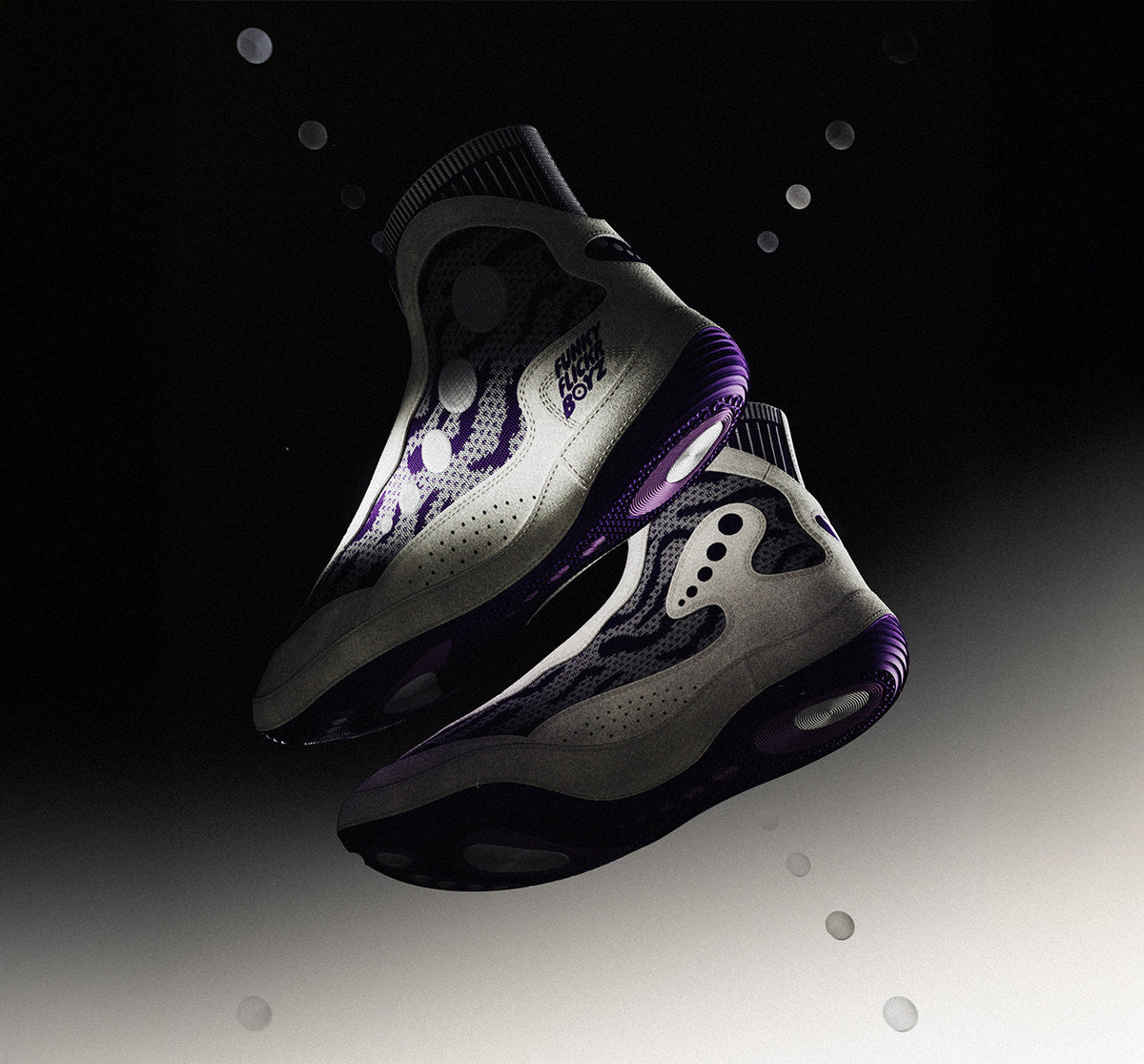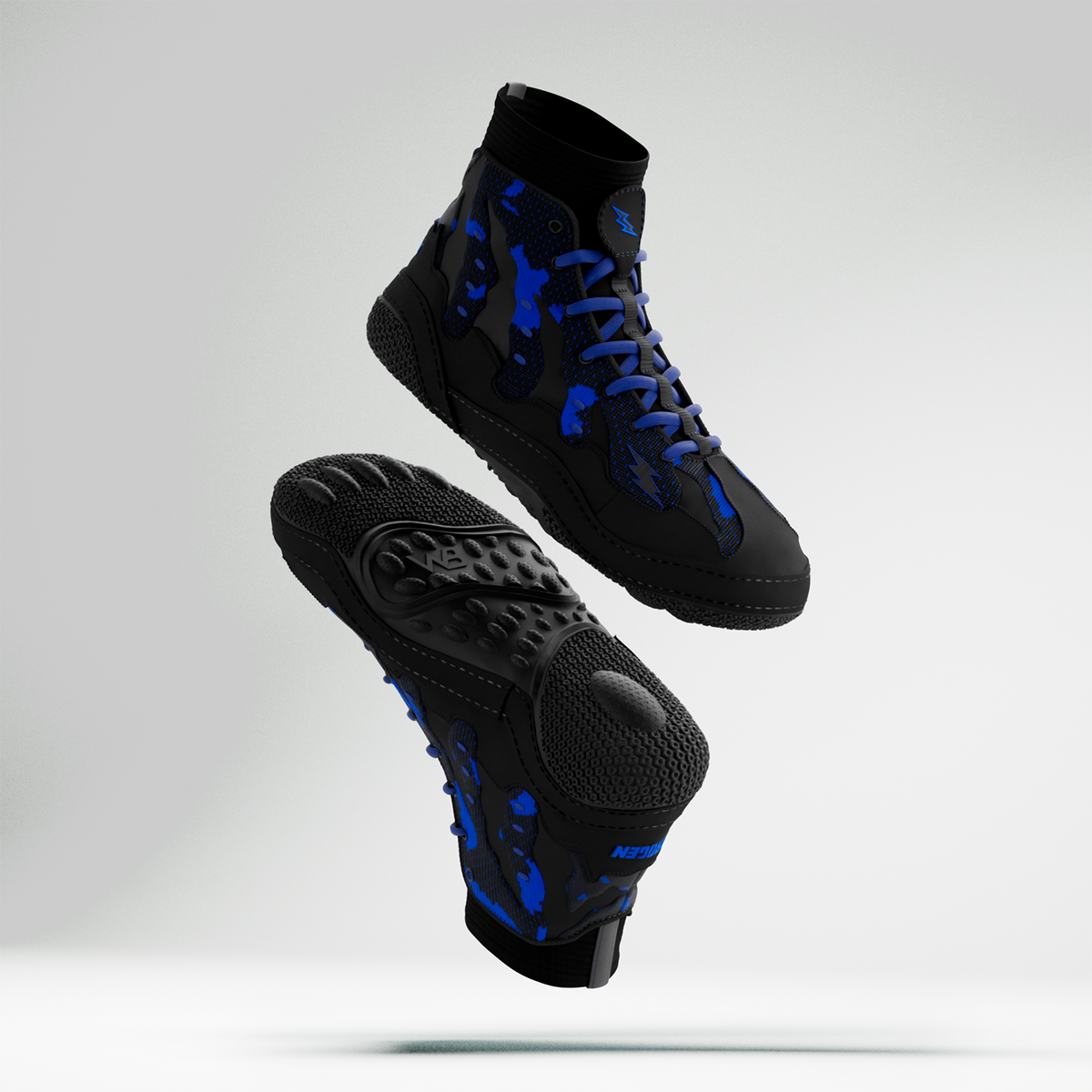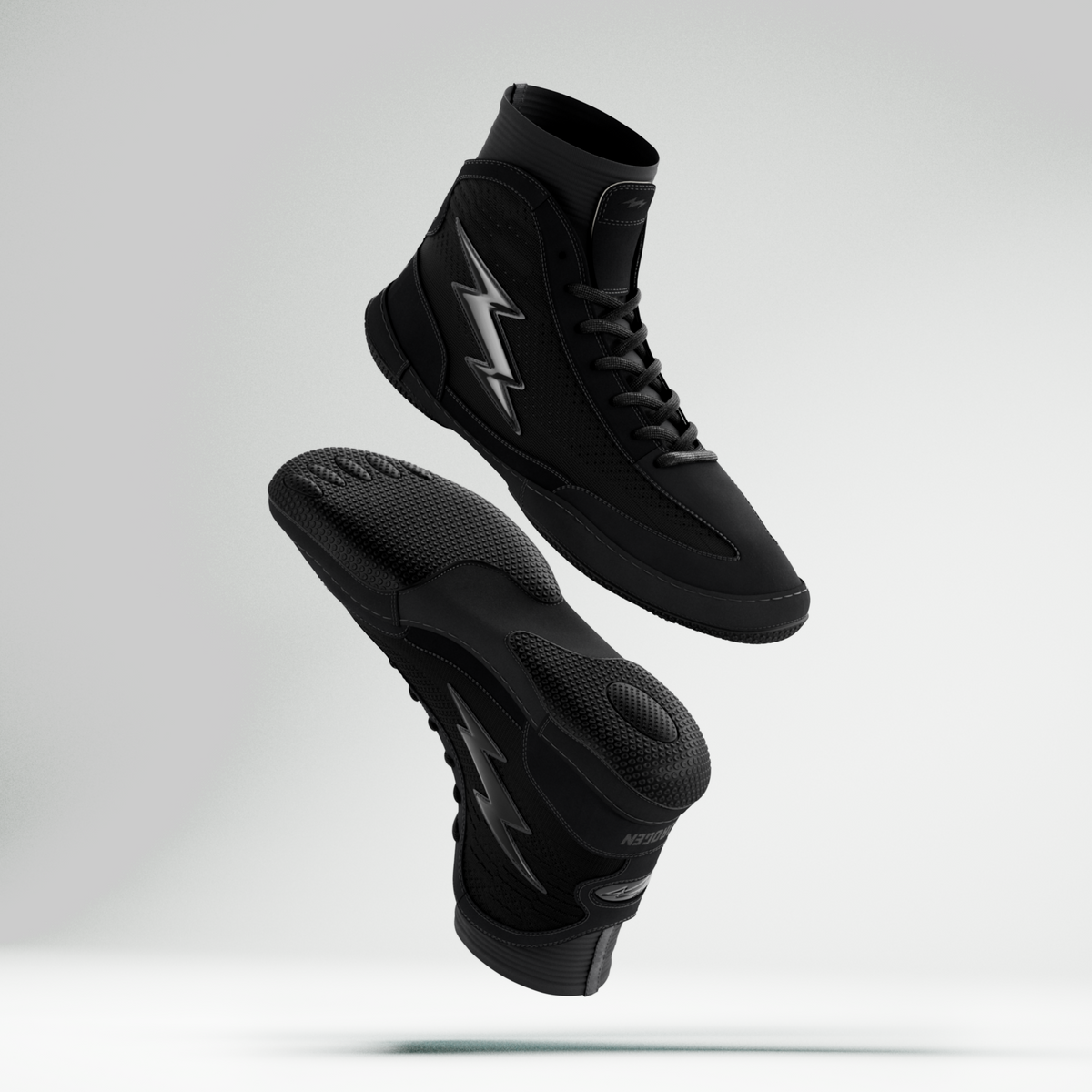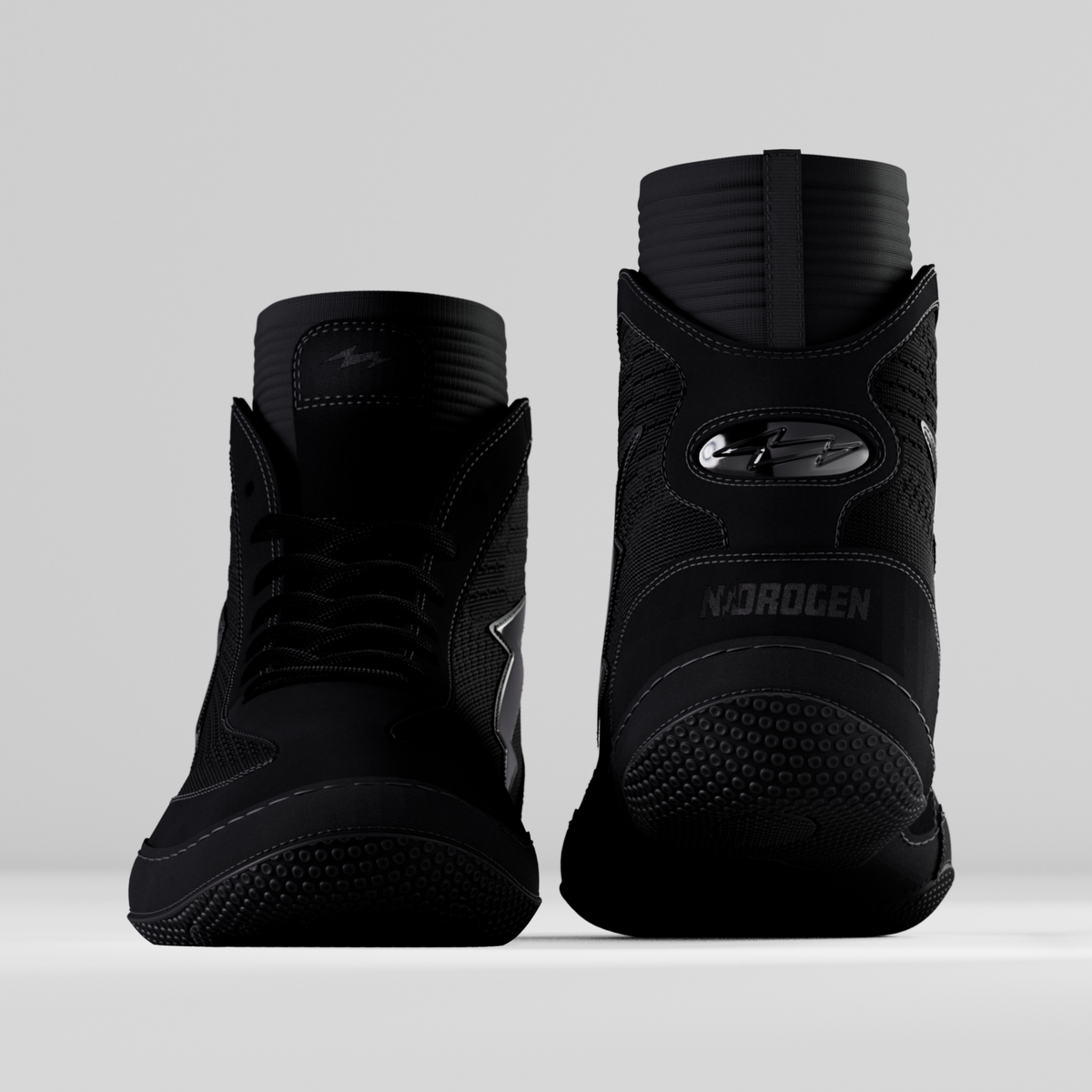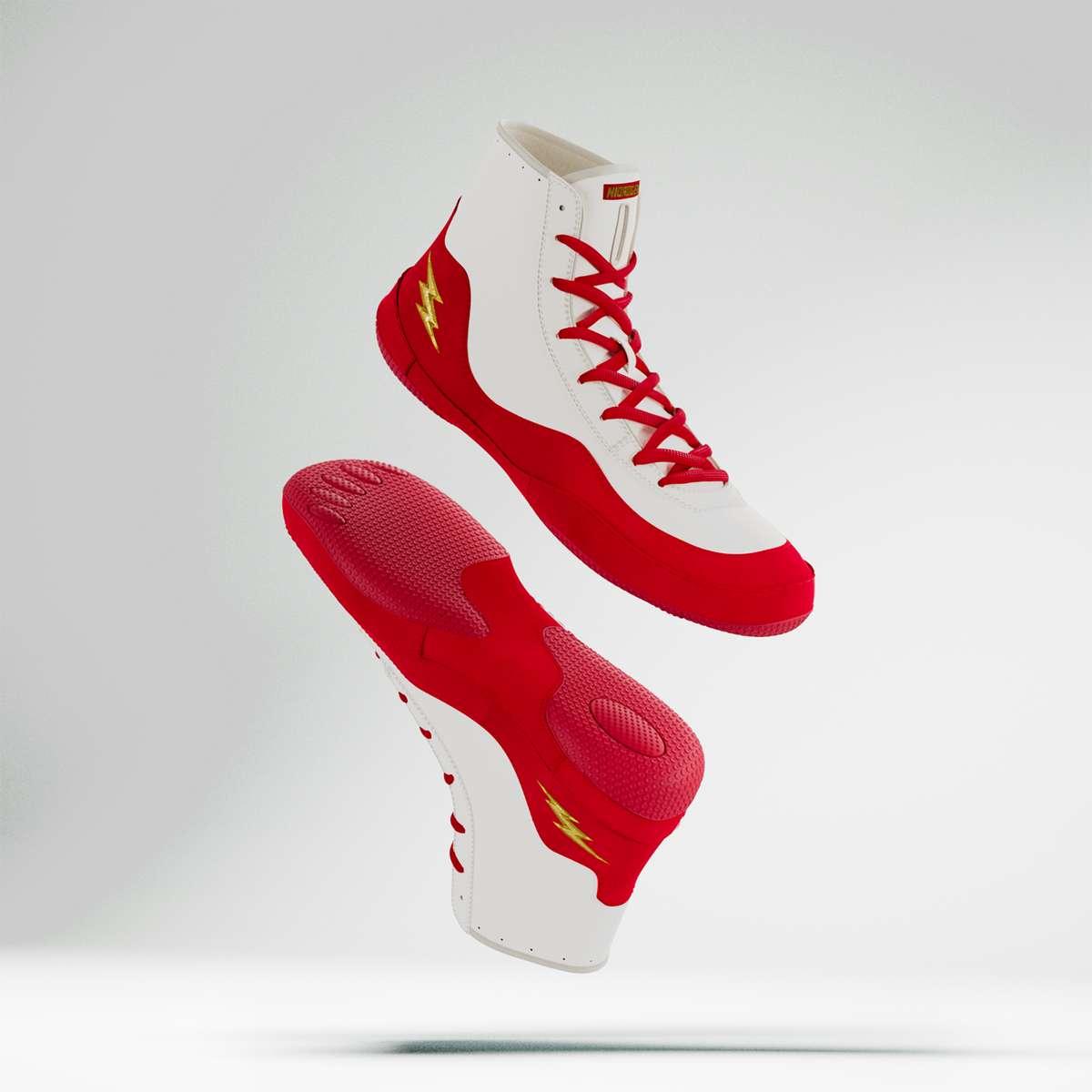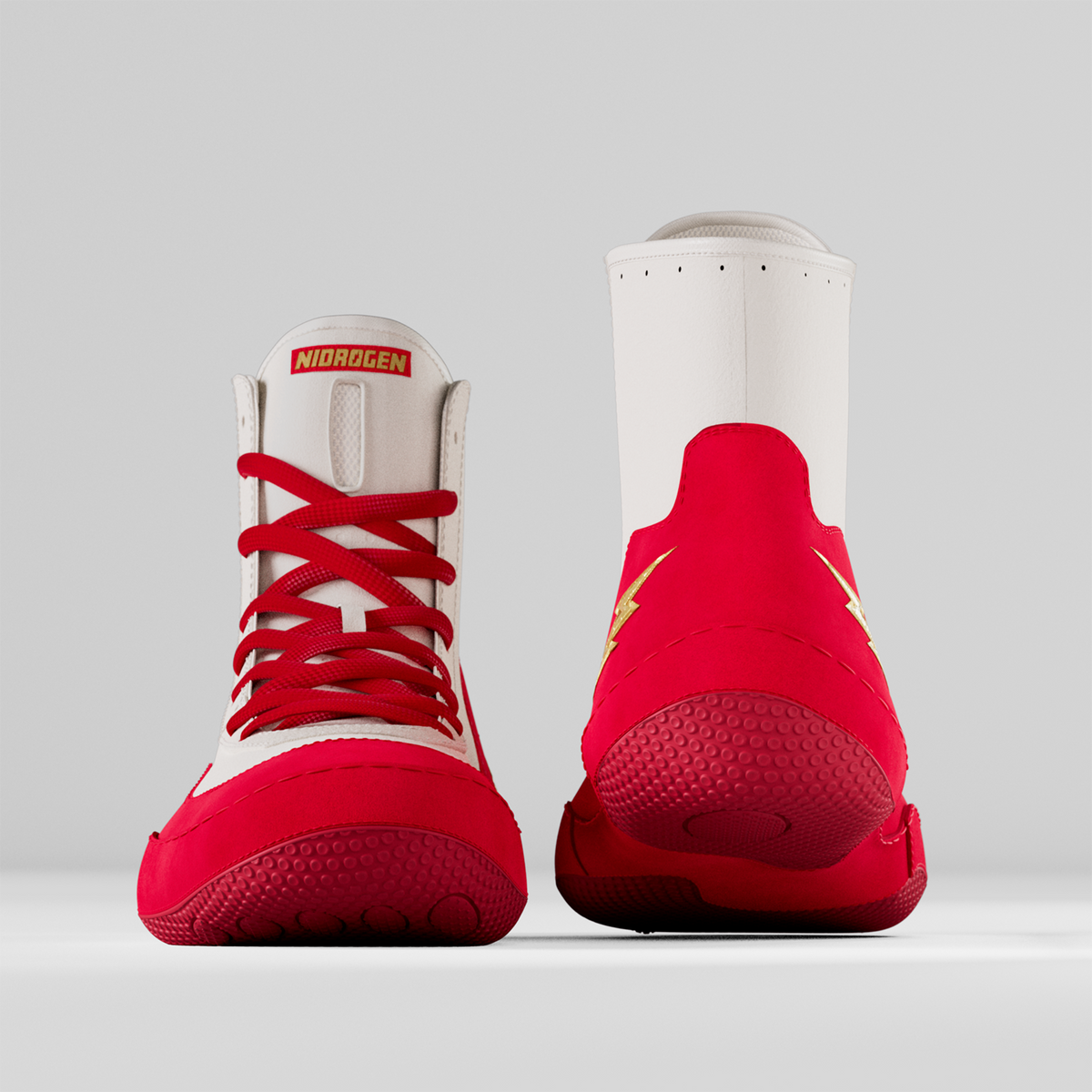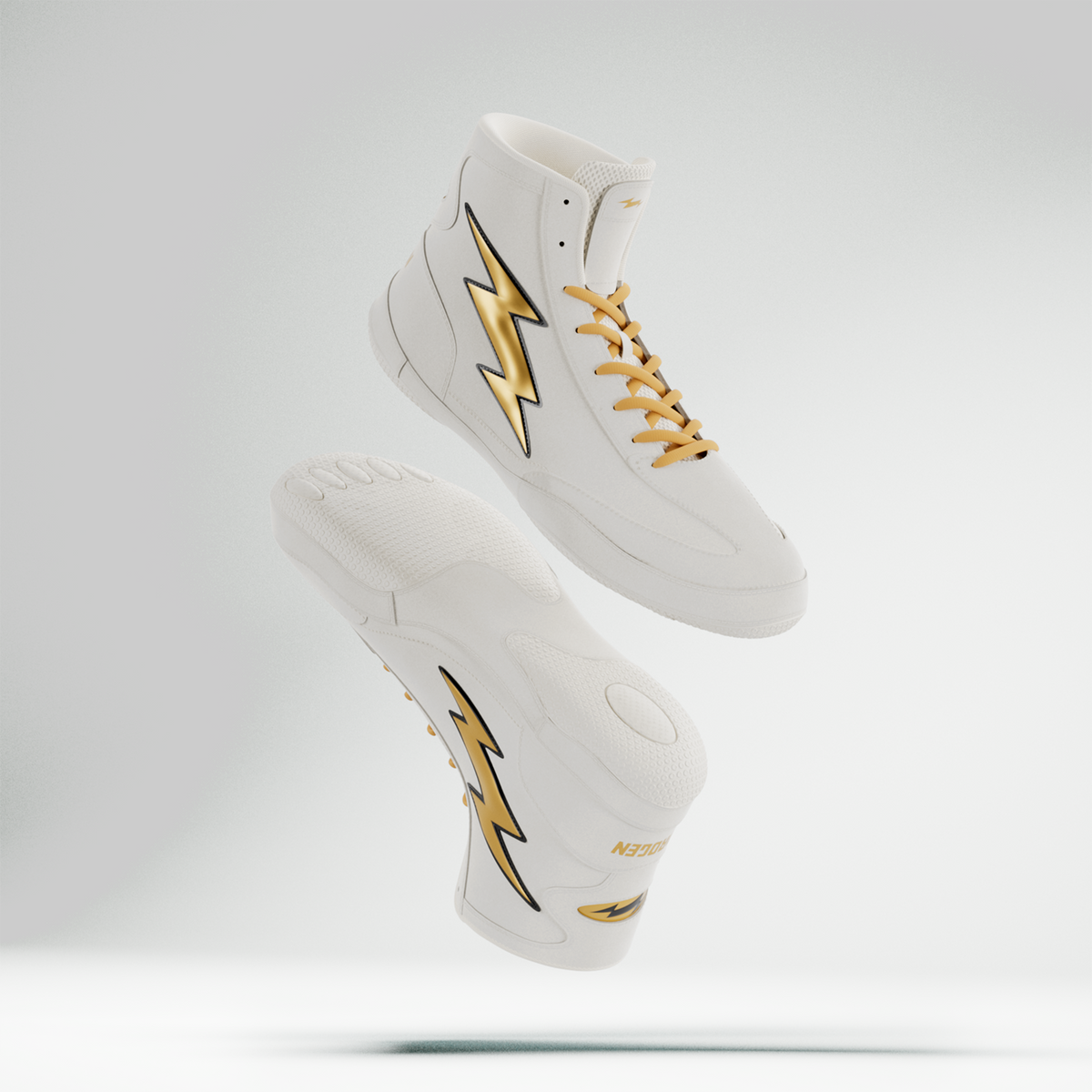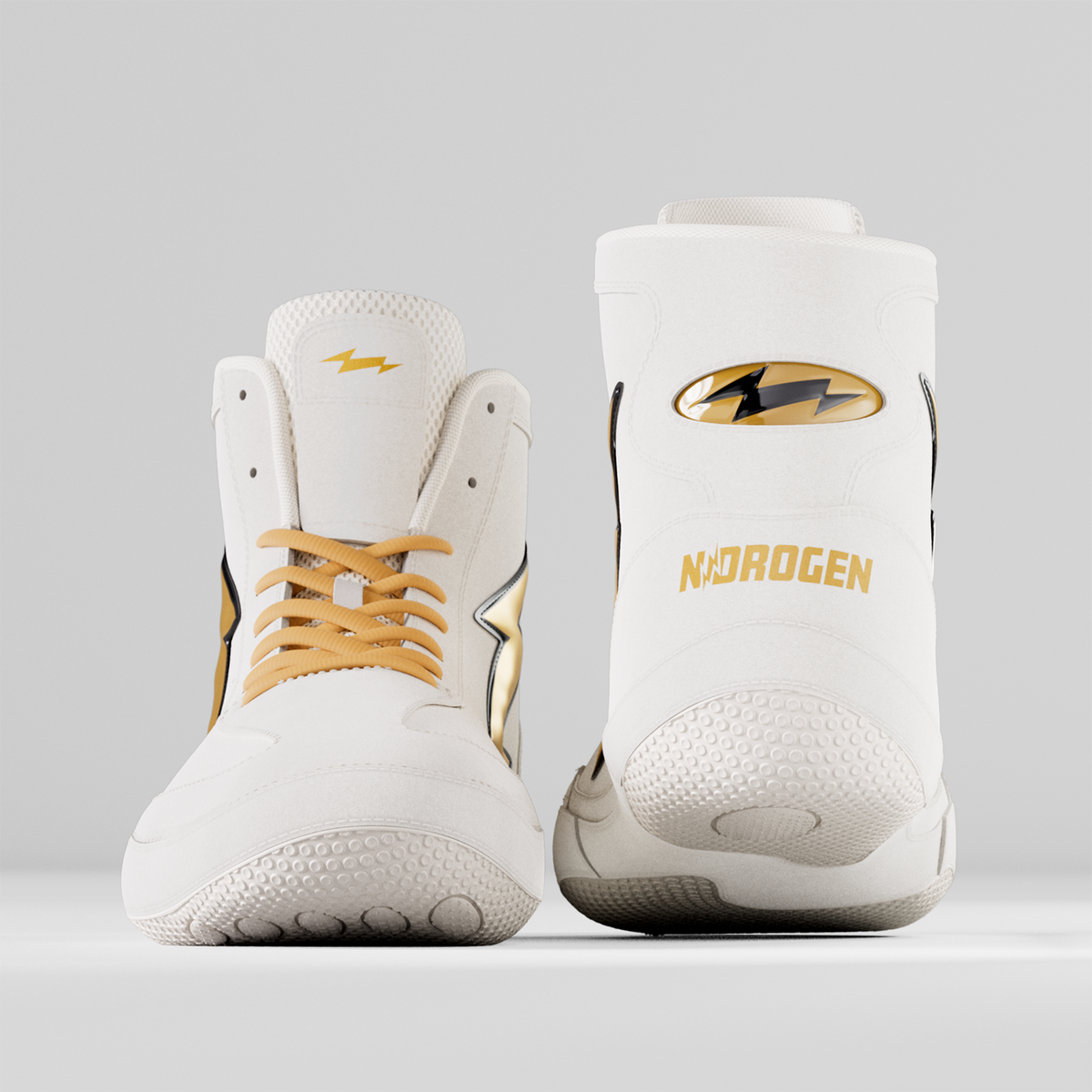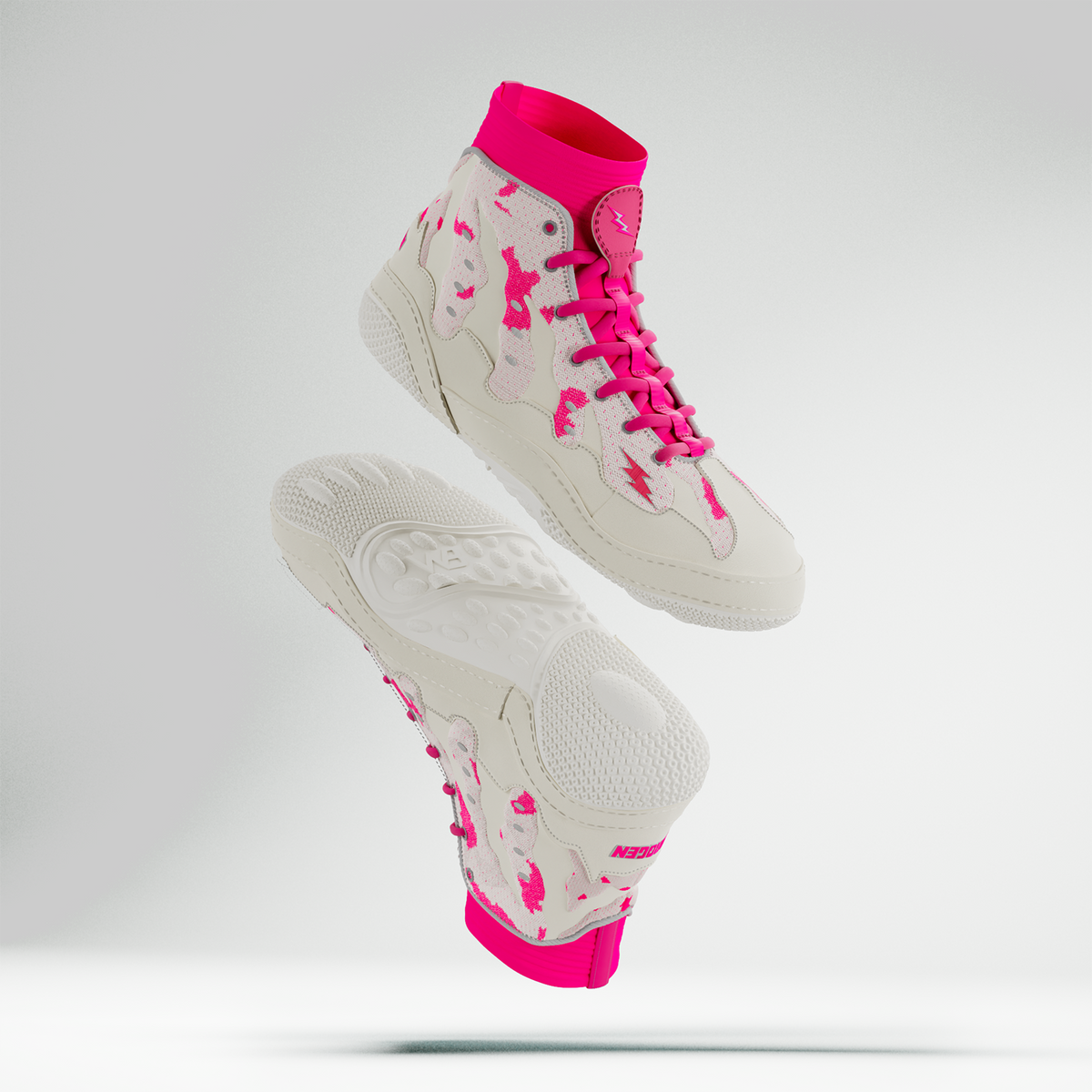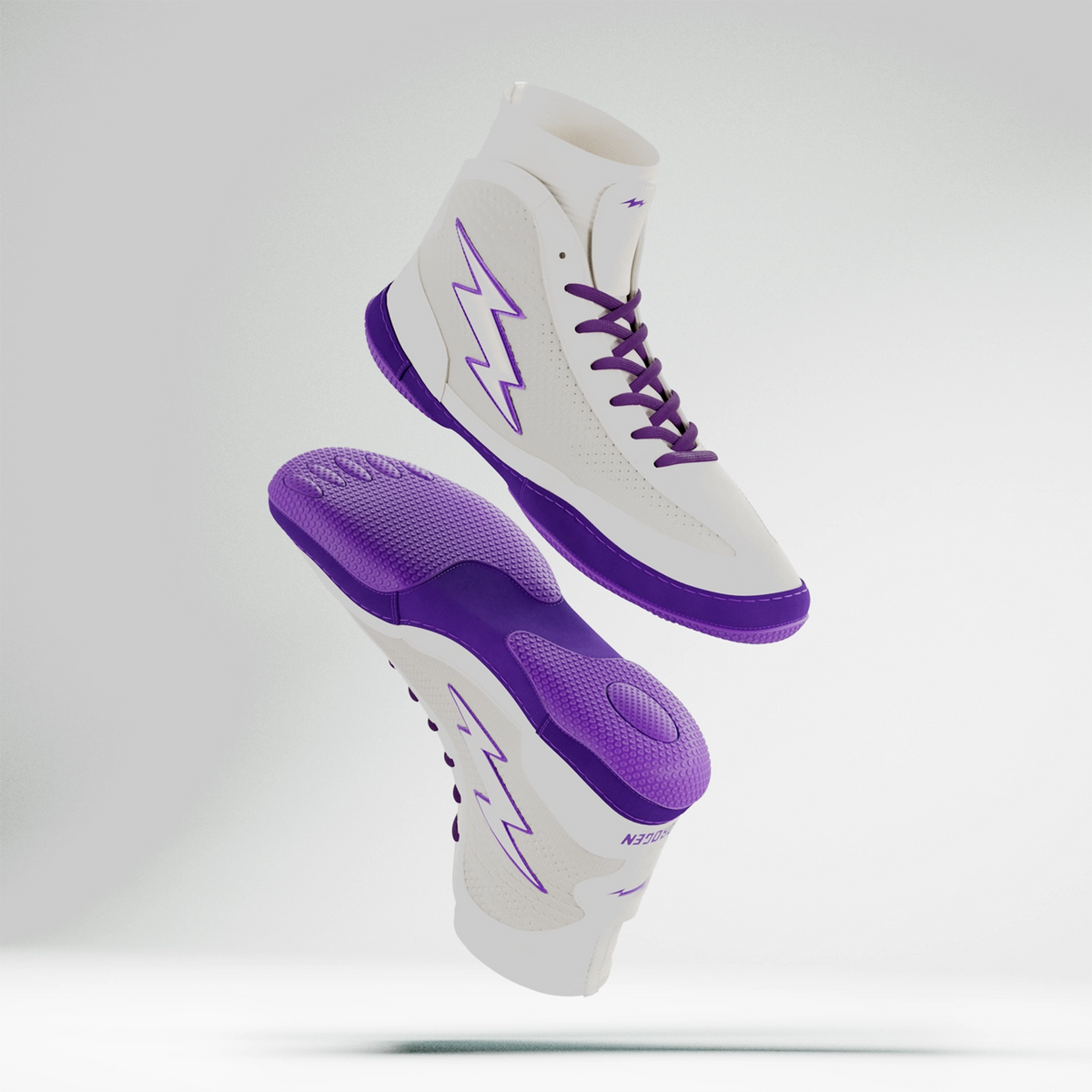


Wrestling shoes might look similar to other athletic footwear, but they are designed around a very different set of movements. Running shoes focus on cushioning and forward motion. Basketball shoes are built for court movement and impact. Wrestling shoes need to help athletes stay connected to the mat while moving through shots, sprawls, pivots, scrambles, and sudden changes in direction.
Those differences influence almost every part of the shoe, from the outsole and upper materials to the fit around the foot and ankle. Understanding how wrestling shoes are designed makes it easier to choose footwear that suits the demands of practice and competition.
1. Minimal Cushioning Helps You Feel the Mat
Most running and training shoes use cushioned midsoles to absorb impact during repetitive movement. That design works well for activities such as running, where comfort and impact management are important.
Wrestling requires a different approach. Athletes constantly adjust their stance, change levels, push against an opponent, and react to shifts in balance. A low-profile sole with limited cushioning helps keep the foot close to the mat, providing a more direct feel underfoot.
This connection matters when you need to recognize changes in pressure and adjust your position quickly. Excessive cushioning can make a shoe feel less connected to the surface, which is why wrestling footwear generally prioritizes mat feel over the plush cushioning found in running sneakers.
2. Wrestling Shoes Use Traction Designed for Multidirectional Movement
Grip is not simply about making a shoe stick to the mat. Wrestlers need traction while moving forward, circling, rotating, defending takedowns, and transitioning between positions.
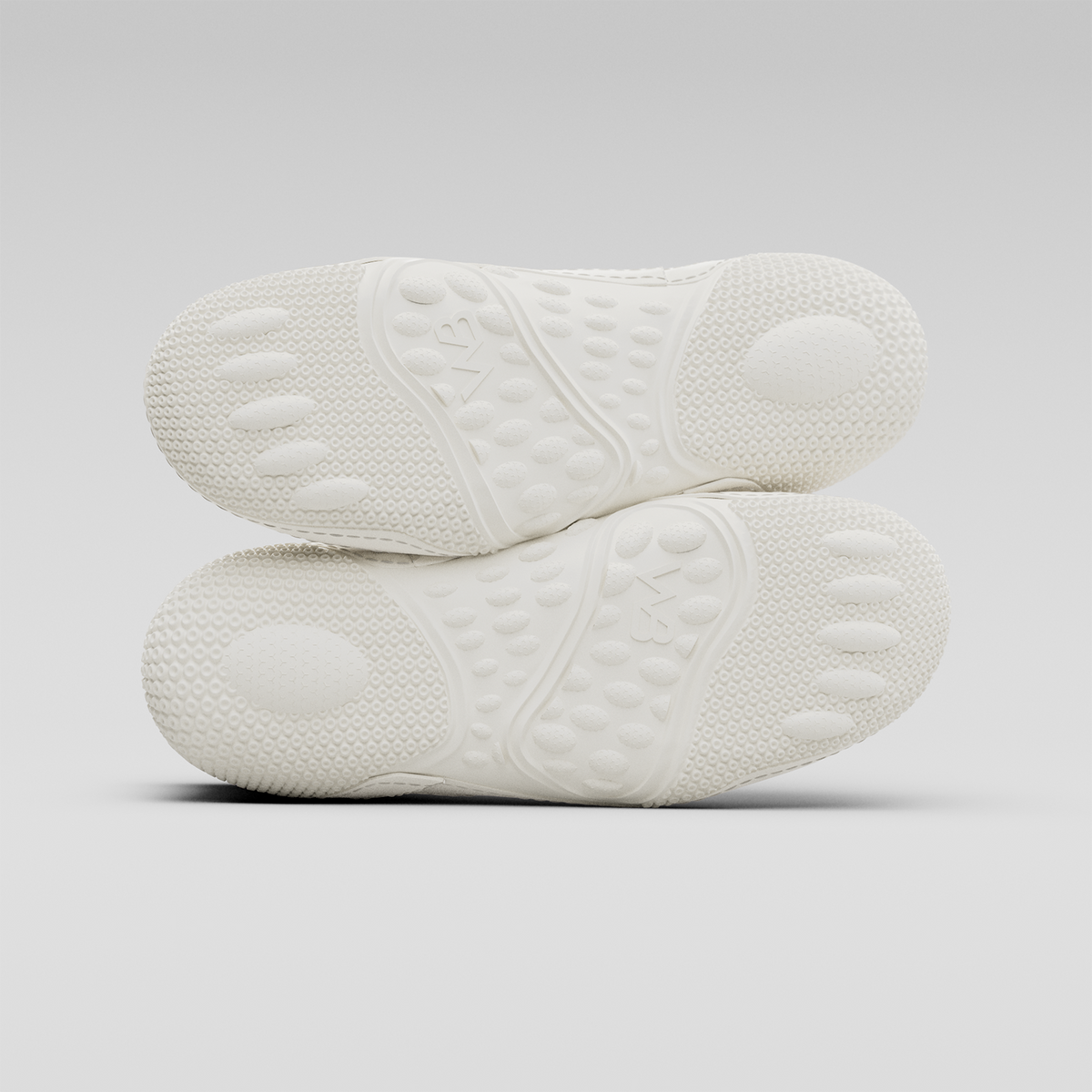
Running shoe outsoles are primarily designed around forward movement on roads or trails. Basketball shoes use traction patterns suited to court surfaces. Wrestling shoes need an outsole that supports multidirectional movement while allowing the foot to pivot naturally.
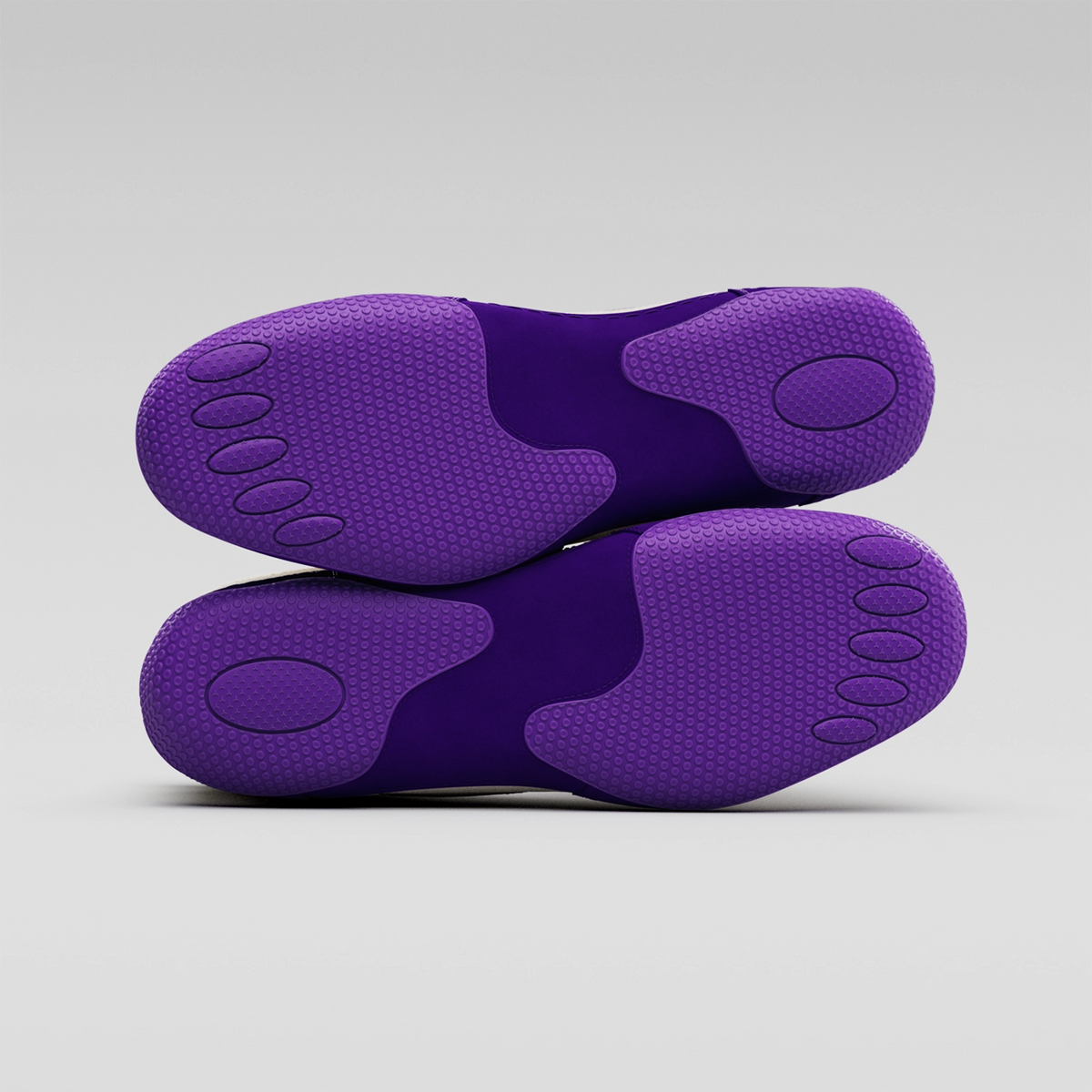
The Ravage model features OctiSole Max, a full-length, multidirectional traction system designed to support powerful drives, pivots, and quick transitions. Its outsole design is built around the movement demands of wrestling rather than general athletic use.
Explore the Ravage wrestling shoe to compare the available options.
3. Lightweight Construction Supports Speed and Agility
Wrestling involves repeated explosive movements. A wrestler may shoot for a takedown, recover from a sprawl, circle to create an opening, and attack again within seconds.
Lightweight footwear can help shoes feel less restrictive during these movements. That is why wrestling shoe design often emphasizes lightweight uppers, flexible materials, and construction that provides support without adding unnecessary bulk.
The Aero model is built around an ultra-lightweight construction. Its Second Skin Microfiber Upper and VentiCore Airflow System are designed with a lightweight feel and ventilation in mind, while the LockStrap Lace System helps secure the fit.
For wrestlers who prioritize speed and agility, the Aero model is worth considering as part of their footwear selection.
4. Ankle Support Must Allow Natural Movement
Wrestling places different demands on the ankle than sports dominated by running or jumping. Athletes change direction quickly, rotate through positions, and move between standing and ground-based exchanges.
Wrestling shoes are designed to provide a close, secure fit around the foot and ankle while allowing the movement required by the sport. The goal is to balance support with flexibility rather than simply making the shoe as rigid as possible.
The Pro-Gen model combines a FunkKnit ankle support system with AeroFlex panels and an OctiSole traction system. This combination focuses on a secure fit, flexibility, and traction for dynamic mat movement.
When comparing wrestling shoes, pay attention to how the upper wraps around your foot and ankle. Support should feel secure without unnecessarily restricting your natural range of motion.
5. A Secure Fit Helps Maintain Control
The way a shoe fits can influence how confidently you move on the mat. Too much internal movement can make it harder to feel connected to the shoe during quick transitions, while an excessively tight fit can create discomfort and pressure points.
Wrestling shoes are generally designed for a close fit that helps the shoe move with the foot. The upper, lacing system, and ankle construction all contribute to how securely the shoe stays in place.
The Gen One model combines a premium microfiber suede upper with an OrbitGrip outsole and a DualPhase insole system. When choosing a pair, check that your heel feels secure, your foot does not slide excessively inside the shoe, and your toes have enough room to move comfortably.
A snug fit should not mean pain or numbness. The right size allows you to maintain control without creating unnecessary pressure.
6. Flexibility Helps the Shoe Move With Your Foot
Wrestling is not a straight-line sport. The foot bends, rotates, and adjusts to changing positions throughout a match. A shoe that feels too stiff can interfere with the natural movement required during these transitions.
Wrestling footwear therefore needs to balance structure with flexibility. The outsole must provide traction, while the upper should allow the foot to move without feeling loose or unsupported.
The Postlude model features a FunkKnit upper and an OrbitGrip outsole, with additional design elements such as AirFlo Chambers and the DualPhase insole system. These features contribute to the model's overall performance setup.
When evaluating flexibility, try moving through your wrestling stance, bending your knees, and shifting your weight from side to side. The shoe should feel secure while allowing natural movement.
7. Breathability Matters During Intense Training
Wrestling practices and matches involve repeated bursts of high-intensity activity. Feet can heat up quickly during drilling, conditioning, and live wrestling, particularly during long sessions.
Breathable upper materials and ventilation features can help manage heat and moisture inside the shoe. However, breathability should be considered alongside fit, support, and traction rather than as the only deciding factor.
The Aero model incorporates a VentiCore Airflow System, while the Postlude range includes AirFlo Chambers on applicable models. These features are designed around airflow and ventilation in wrestling footwear.
The best choice depends on how the shoe fits your foot and how it feels during actual training, not just the features listed on its product page.
How Wrestling Shoes Differ From Other Sports Shoes
|
Feature |
Wrestling Shoes |
Running Shoes |
Basketball Shoes |
|
Main purpose |
Mat movement and control |
Forward running and impact management |
Court movement and jumping |
|
Sole profile |
Generally low-profile |
Often cushioned and raised |
Varies by design, often with more cushioning |
|
Traction |
Designed for wrestling mats and multidirectional movement |
Designed for roads, tracks, or trails |
Designed for court grip |
|
Cushioning |
Usually minimal for mat feel |
Usually more substantial |
Often designed for impact comfort |
|
Fit |
Close and secure |
Designed for running comfort |
Designed for court stability and movement |
|
Flexibility |
Supports natural foot movement on the mat |
Varies by running style |
Balances court movement and support |
These are general design differences. Specific features vary by model, and no single shoe is automatically the best choice for every athlete.
How to Choose the Right Wrestling Shoe
Start with the way you wrestle and the features that matter most to you. If speed is your priority, look for lightweight construction. If grip is your main concern, pay attention to the outsole design and traction system. If you value a balance of support and movement, consider the upper, ankle construction, and flexibility together.
Fit should remain a priority regardless of the model you choose. A shoe with impressive features will not perform as expected if it slips inside the shoe, creates pressure points, or feels restrictive.
You can compare different designs in the wrestling shoes and focus on the features that match your needs.
At Funky Flickr Boyz, wrestling footwear is developed around the demands of the mat, combining performance-focused construction with distinctive design. The right pair should feel secure, support your movement, and help you focus on wrestling rather than adjusting your footwear.
Frequently Asked Questions
1. Why are wrestling shoes different from regular sneakers?
Wrestling shoes are designed for close contact with the mat, multidirectional movement, and a secure fit. Regular sneakers are generally designed for activities such as running, walking, or court sports, which have different movement requirements.
2. Can I use running shoes for wrestling?
Running shoes are not a suitable substitute for purpose-built wrestling shoes during regular wrestling practice or competition. Their cushioning, outsole design, and fit are intended for running rather than wrestling movements.
3. Why do wrestling shoes have flat soles?
Low-profile soles help keep the foot close to the mat and provide a more direct feel underfoot. This can help wrestlers make adjustments during stance work, level changes, and transitions.
4. What makes wrestling shoe traction different?
Wrestling shoe traction is designed to support movement in multiple directions, including pivots, lateral movement, and rotational transitions. The specific traction pattern and performance depend on the shoe model and outsole design.
5. Should wrestling shoes be tight?
Wrestling shoes should fit snugly and securely without causing pain, numbness, or excessive pressure. Your heel should feel stable, and your foot should not slide excessively inside the shoe.
6. Are lightweight wrestling shoes better?
Lightweight shoes can feel less restrictive and support quick footwork, but weight is only one consideration. Fit, traction, support, flexibility, and comfort should also influence your decision.
7. How do I choose the best wrestling shoes for competition?
Consider your fit, preferred level of support, traction needs, flexibility, and comfort during movement. Compare different models and choose a pair that feels secure and allows you to move naturally through wrestling positions.